How to Stop Worrying and Love the B2B Buying Committee

B2C and B2B transactions operate on very different terms.
For B2C marketers, the structure is typically straightforward: one individual, a relatively simple decision, and – in many cases – a purchase that can be made in minutes, sometimes even in seconds.
The same cannot be said for B2B, where the average buying group comprises 13 different people – from C-Suite representatives across finance, IT, and operations to project managers, analysts, and end users. Each stakeholder has their own thoughts, opinions, and emotions that ultimately drive their decision-making. Much like a jury deliberating a complex case, it can also take time to reach a consensus – 10.1 months on average, according to 6sense.
For marketers, that process can feel like a trial in itself – lengthy, uncertain, and difficult to influence. Yet borrowing from Dr Strangelove, perhaps it's time to learn to stop worrying and love the B2B buying committee. Reframe the process, and the typical buying journey reveals a wealth of opportunities to win high-quality, lucrative customers that are far less likely to churn.
Why buying committees aren’t necessarily a bad thing
This might sound like a bold claim – especially when you consider the evidence.
86% of B2B purchases stall during the buying process. And even when they do progress – sometimes stretching close to a year – much of the decision-making happens before sales is involved. 94% of buyer groups rank their shortlist in order of preference before speaking to a single sales rep, with the brand ranked first going on to win 77% of the time.
Once the purchase is finally made, satisfaction is not guaranteed: 81% of buyers are dissatisfied with the provider they ultimately choose, according to Forrester.
These are hard truths for B2B marketers to confront. Yet the potential advantages of buying committees are embedded in the very dynamics that make them challenging.
The very issue most often criticized – the tendency for decisions to drag – can present an opportunity for marketers. These transactions carry significant professional and financial risk for those involved, which is precisely why the process can be so lengthy. The upside is that when an organization has evaluated its options and aligned internally, it is far more likely to become a loyal, committed customer.
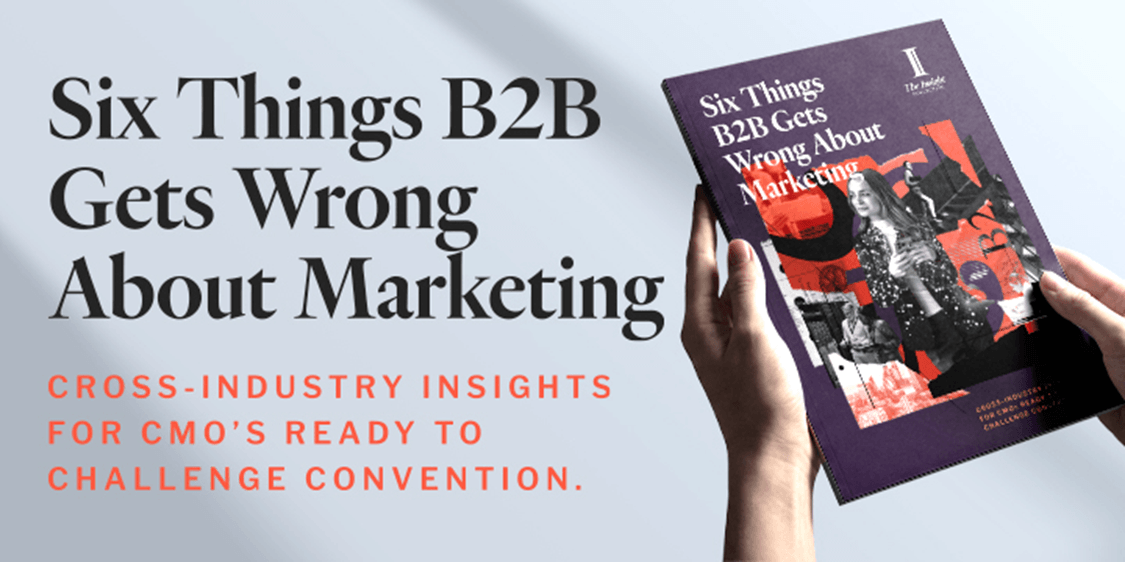
As Brand & Customer Experience Expert Amanda Hill notes in her guide Six Things B2B Gets Wrong About Marketing:
“A buying committee that agrees on your solution after much deliberation has invested political and intellectual capital in that decision – meaning they’re unlikely to re-run that gauntlet anytime soon.”
Large buying groups also represent a wider surface area for influence. Rather than relying on a single decision-maker, a buying group gives you multiple entry points into the conversation.
This doesn’t mean it’s easier to market to organizations, as a blanket approach won’t suffice when the needs of buyers are so varied. Yet the payoff from targeting multiple specific roles in a buying group can be considerable.
How to use buying committees to your advantage
Impressing B2B buying groups is hard work, but the long-term benefits of winning these transactions can deliver significant growth and stability. Here’s how marketing teams can turn that complexity into their advantage:
Expand your personas to match diverse stakeholders
To capitalize on the opportunity a multi-stakeholder buying group provides, you’ll need to create content and advertising that matches their individual drivers. Targeting the single “economic buyer” is rarely enough.
Centralized content hubs are an effective way to serve multiple decision-makers simultaneously. Highly customizable, these pages can be organized by persona, buying stage, and decision drivers – helping you influence the wider buying group from a single destination, while ensuring each finds the specific content and insights they need.
Focus on buyer enablement
To go one step further, effective marketing should not only educate buyers, but support them in navigating internal decisions. Resources that help stakeholders build consensus can earn your brand trust and credibility at crucial junctures in the buying process.
These assets can be tailored to the specific concerns of each decision-maker in a buying committee. For instance:
- ROI calculators for finance leaders focused on costs
- Case studies for CIOs looking for evidence that your solution works
- Implementation timelines to help COOs maintain business continuity
- Checklists for end users comparing functionality
6sense research suggests that 70% of the buying journey is completed before B2B buyers even make contact with sales. During this time, they are gathering information and defining their purchase requirements. With a combination of educational and buyer-enablement content, your brand can become a trusted resource at this research phase, giving you a healthy chance of being considered when shortlists are being formed.
Reduce friction throughout the buying process
Alongside championing the importance of mental availability, research by the Ehrenberg-Bass Institute of Marketing Science emphasizes the need for physical availability – in other words, how easy your brand is to find and buy from.
Part of this means ensuring your brand shows up in the right places, but it also involves reducing friction throughout the sales process wherever possible. Consider the following:
- Mapping the customer journey end-to-end to identify delays or inconsistencies in information provided to prospects
- Providing ungated resources so committee members can self-educate
- Holding off on aggressive selling tactics and taking the time to nurture leads
- Testing, reviewing, and optimizing the user experience (UX) on your website to reduce bounces and drop-offs
While buying group decisions are often more complicated than consumer purchases, the customer experience doesn’t have to follow the same trend, and there are plenty of B2C tactics and technologies that B2B brands can utilize.
Embrace account-based targeting (and retargeting)
With multiple stakeholders, extended timelines, and numerous potential vendors, organizations can interact with a brand hundreds of times even in the earliest stages of the buying journey. In B2B Software as a Service (SaaS), it can take as many as 266 touchpoints and 2,879 impressions to close a deal, with 61% of buyers consuming between three and seven pieces of content before engaging with sales.
Adopting an account-based marketing (ABM) approach shifts the focus from targeting individuals to building influence across an entire buying group.
ABM brings together typically disparate elements of a campaign into a coordinated effort centered on relevance and trust. Rather than trying to assess engagement stakeholder by stakeholder, marketers gain a broader view of awareness, intent, and momentum at the account level.
Combined with retargeting – and supported by the role-specific buyer-enablement content discussed earlier – this approach can also build mental availability over time and help position your brand as a credible option in the earliest and most crucial stages of the journey.
Don’t lament B2B buying complexity – leverage it
B2B buying groups are hard to navigate. Anticipating the priorities, pressures, and perspectives of every stakeholder in the buying process – let alone the wider organizational factors shaping the decision – can be a significant source of frustration for many marketers.
The key is to focus on what’s within your control: how your brand shows up, how it builds awareness across buying groups, and how easy you are to buy from. Viewed this way, complexity becomes less of a barrier and more of a structural advantage.
As Amanda Hill notes, the goal is to “become the vendor that makes buying easy: you win not by simplifying the product, but by simplifying the path to purchase and binding customers through a superior buying experience.”
For brands looking to put that thinking into practice, our centralized category hub campaigns are designed to support complex buying journeys – helping you engage multiple stakeholders, build consensus, and stay present throughout the decision-making process.